Winter-ready: how to protect your stone pot from frost
Not all stone types are frost-resistant. These simple tips will help your pot make it through winter undamaged.

One of the most common questions we get: are your pots frost-resistant? The answer is nuanced, which is exactly why we have dedicated a separate article to it.
Which stone is frost-resistant?
Natural stone absorbs moisture. When that moisture freezes, it expands and can cause a pot to crack or split. The denser the stone structure, the less water is absorbed and the better the pot handles frost.
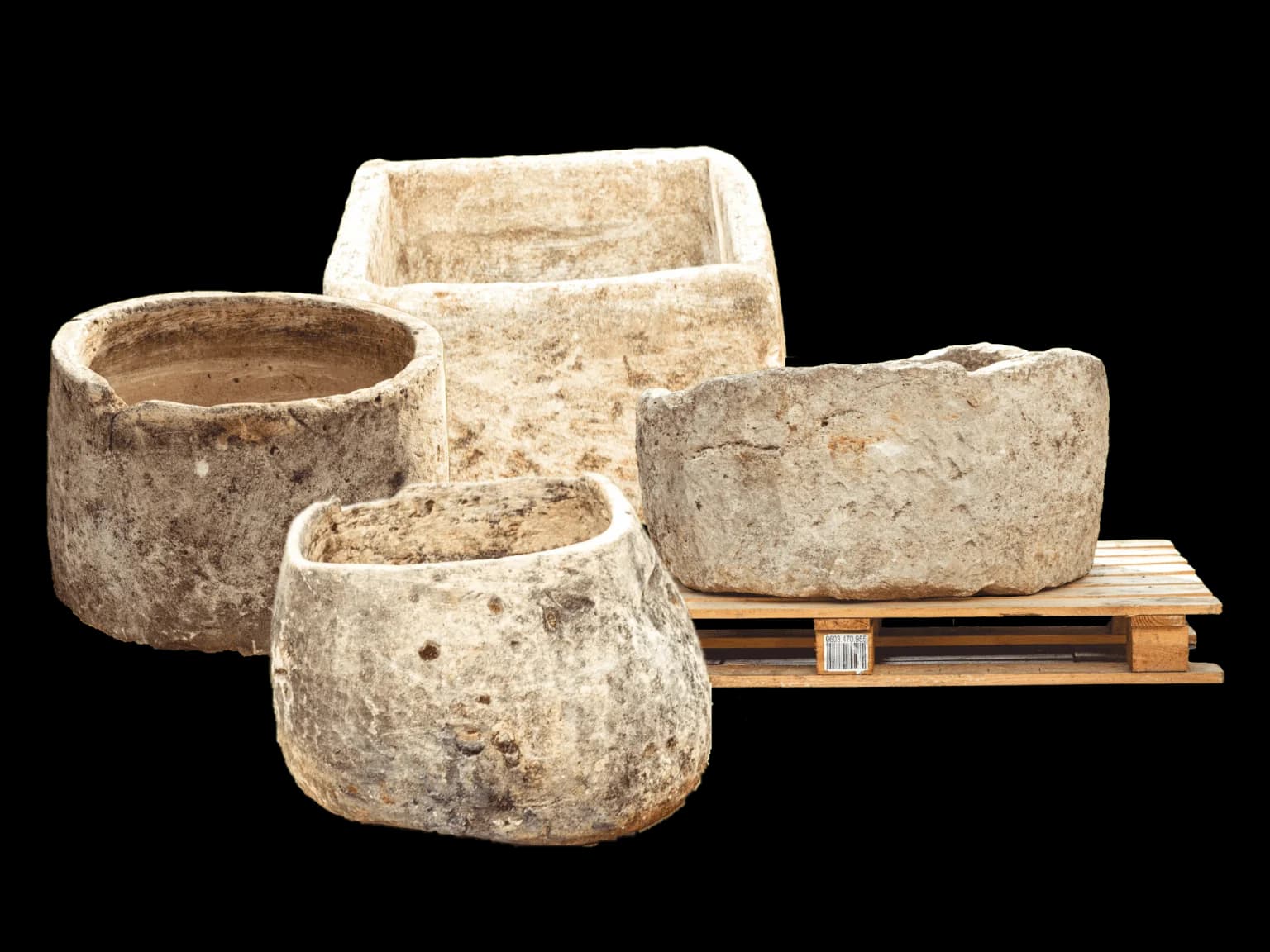
Granite and dense slate are naturally frost-resistant. Sandstone pots are less so, as the granular structure allows more water to pass through. Not sure? Ask when you visit, we always give honest advice.
Practical tips
Place the pot on feet or a stand so it does not sit directly in meltwater. Move the pot to a sheltered spot if prolonged frost is expected. If the pot is planted, protect the roots with hessian or bubble wrap as well. Empty any water in the pot before frost sets in.
Most of our pots have handled Dutch winters well. But a little care costs nothing.